


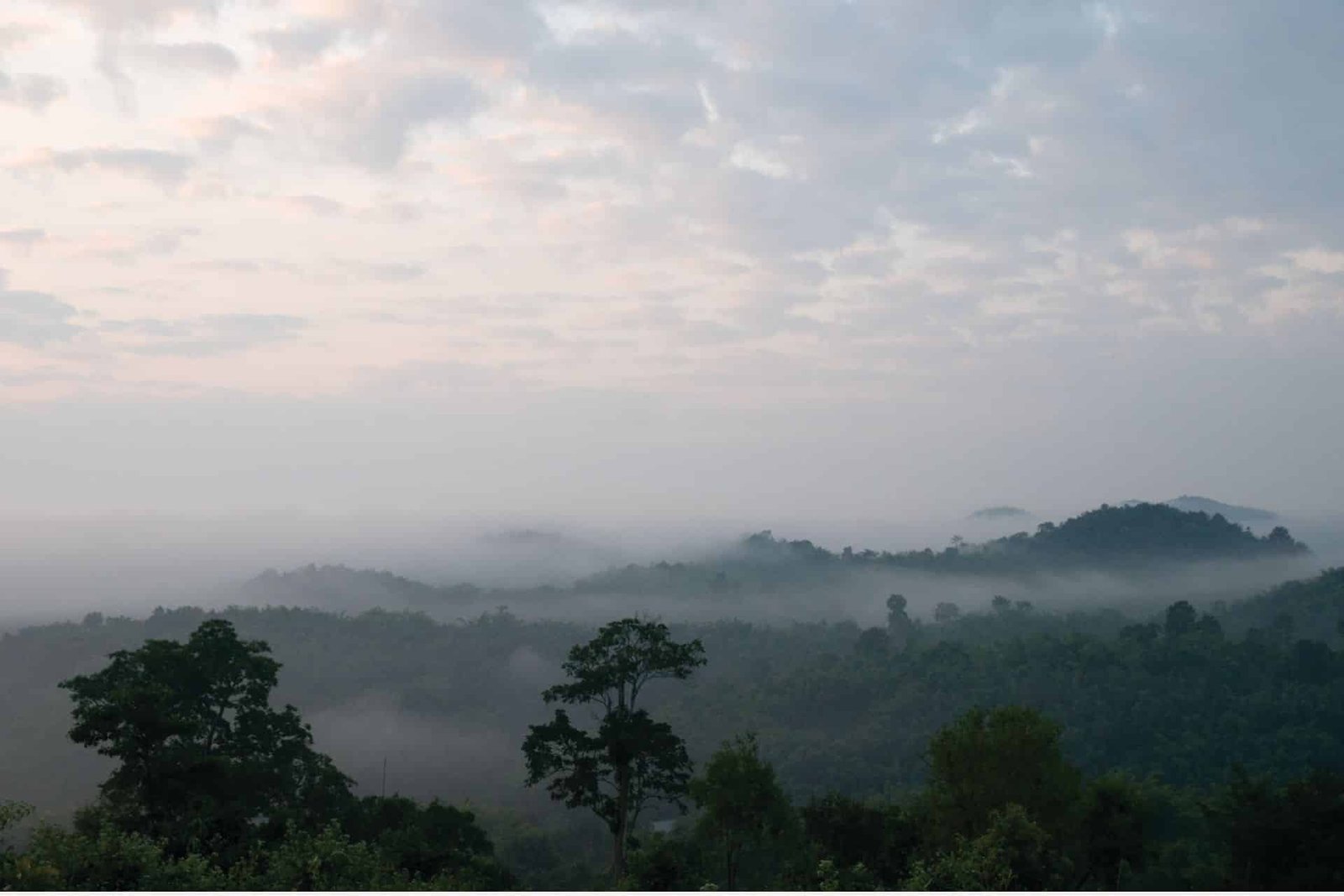
Morning arrives quietly in the Golden Triangle. Mist lifts slowly from the jungle as the Ruak River winds between Thailand and Myanmar. The hills beyond Laos appear faint at first, then sharpen in the early light.
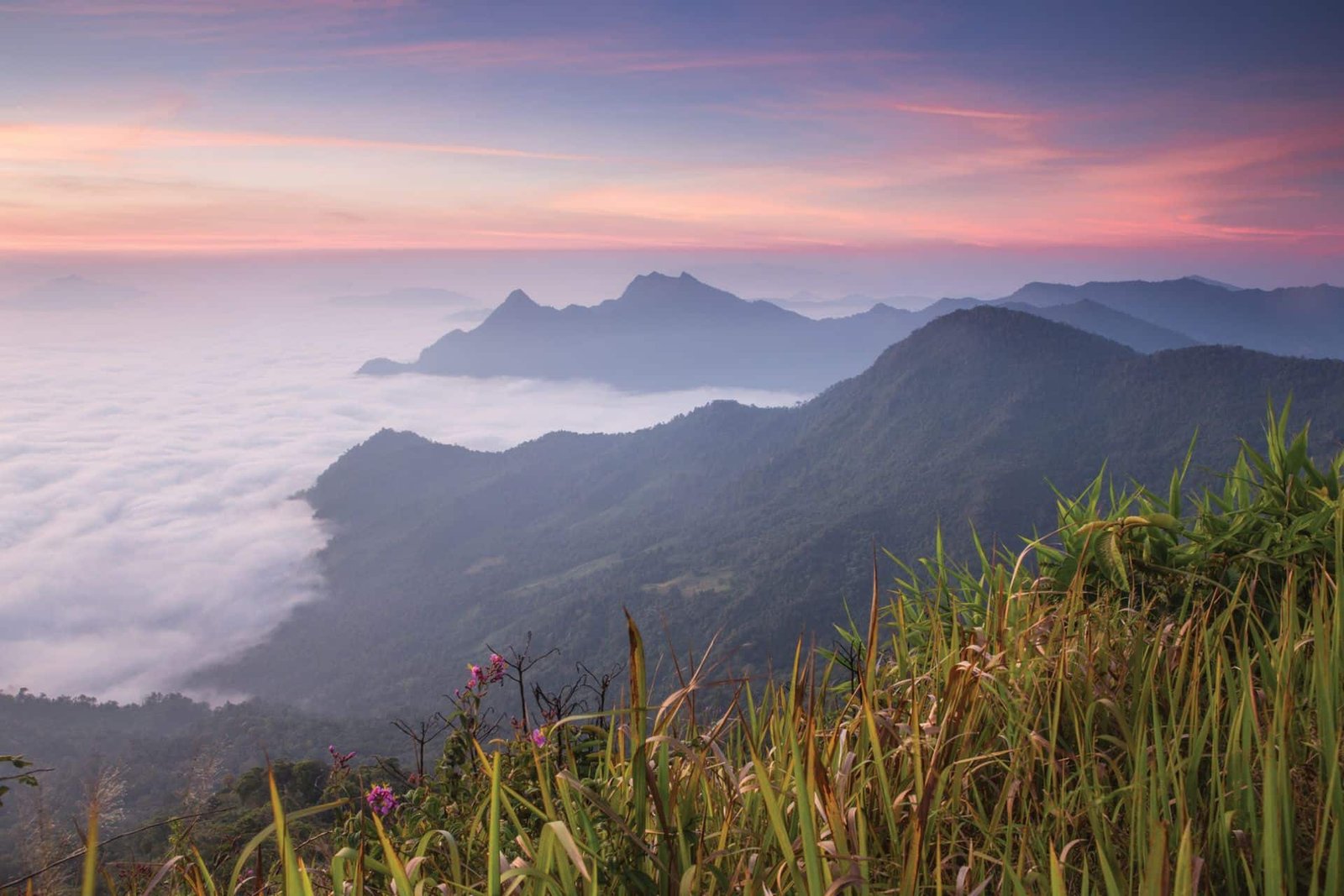
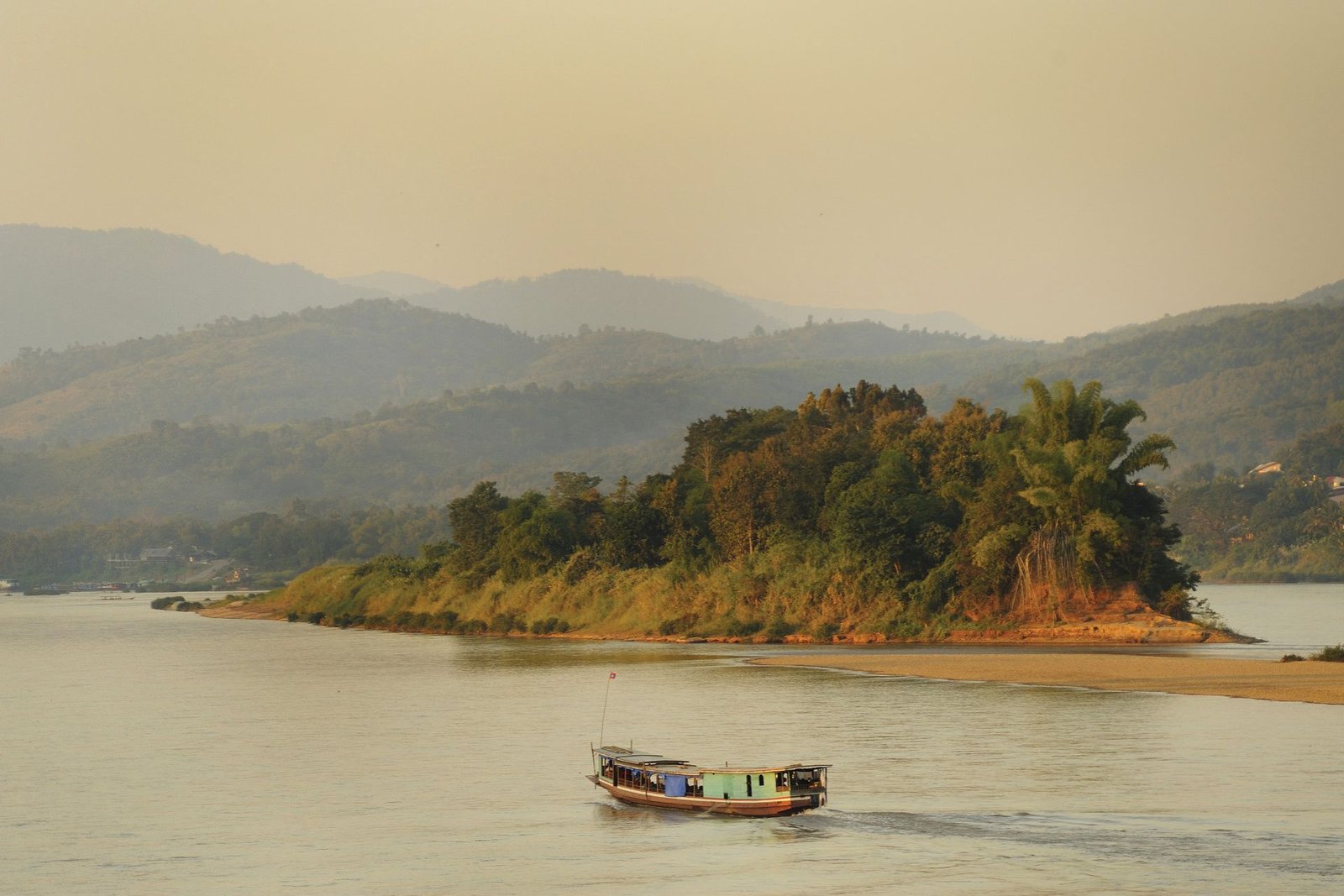
Somewhere in the bamboo forest, a bird calls. The sound carries easily across the valley. A long-tail boat cuts gently through the water. On board, guests sit beneath the shade of the canopy, watching the jungle edge slide past. The journey is short but deliberate — a transition from the outside world into something slower, older and far more elemental.
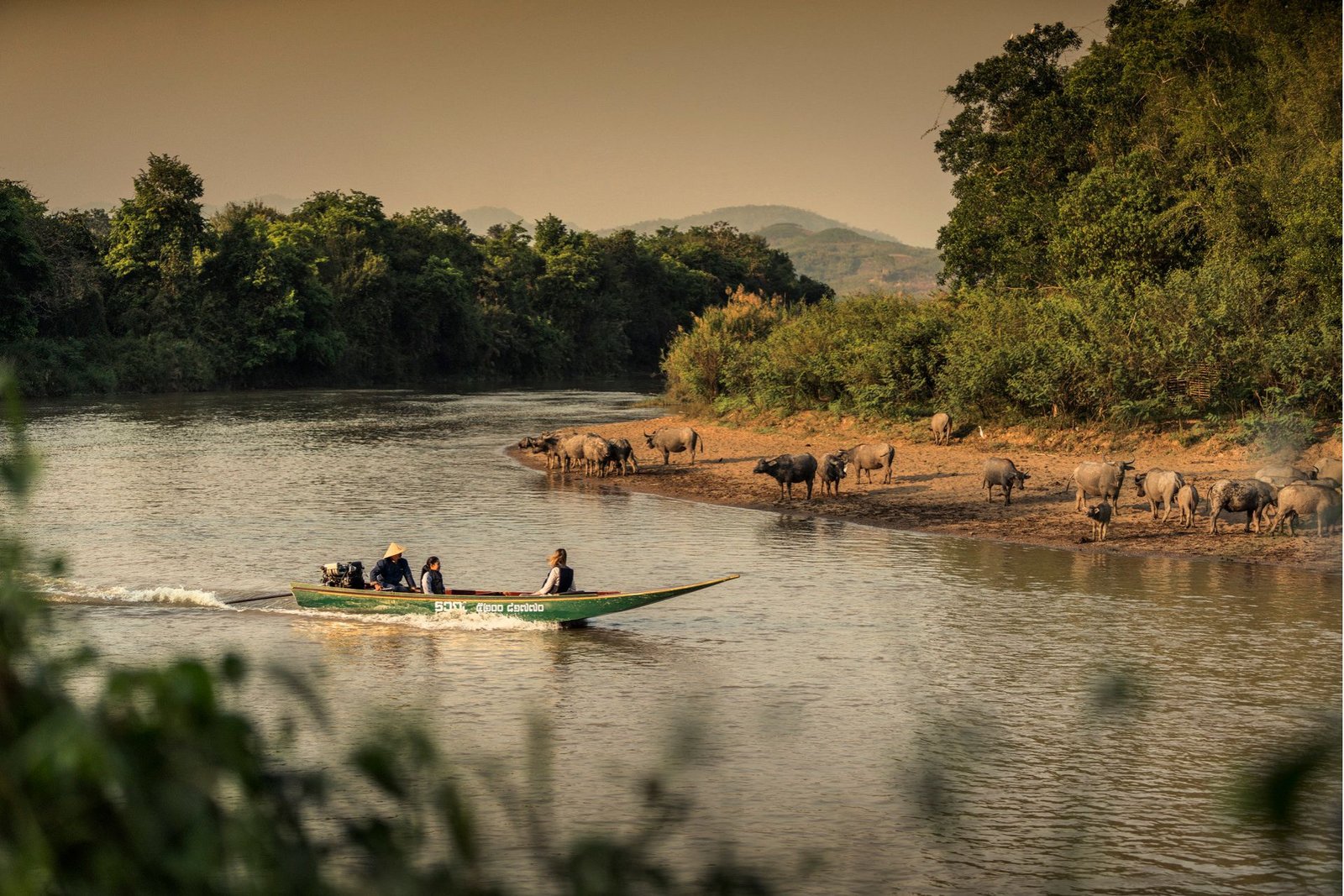
The boat pulls against a wooden jetty. Ahead, a narrow path disappears into thick bamboo. This is how you arrive at Four Seasons Tented Camp Golden Triangle. Not by driveway. By river. And the moment you step ashore, the modern world begins to fall away.
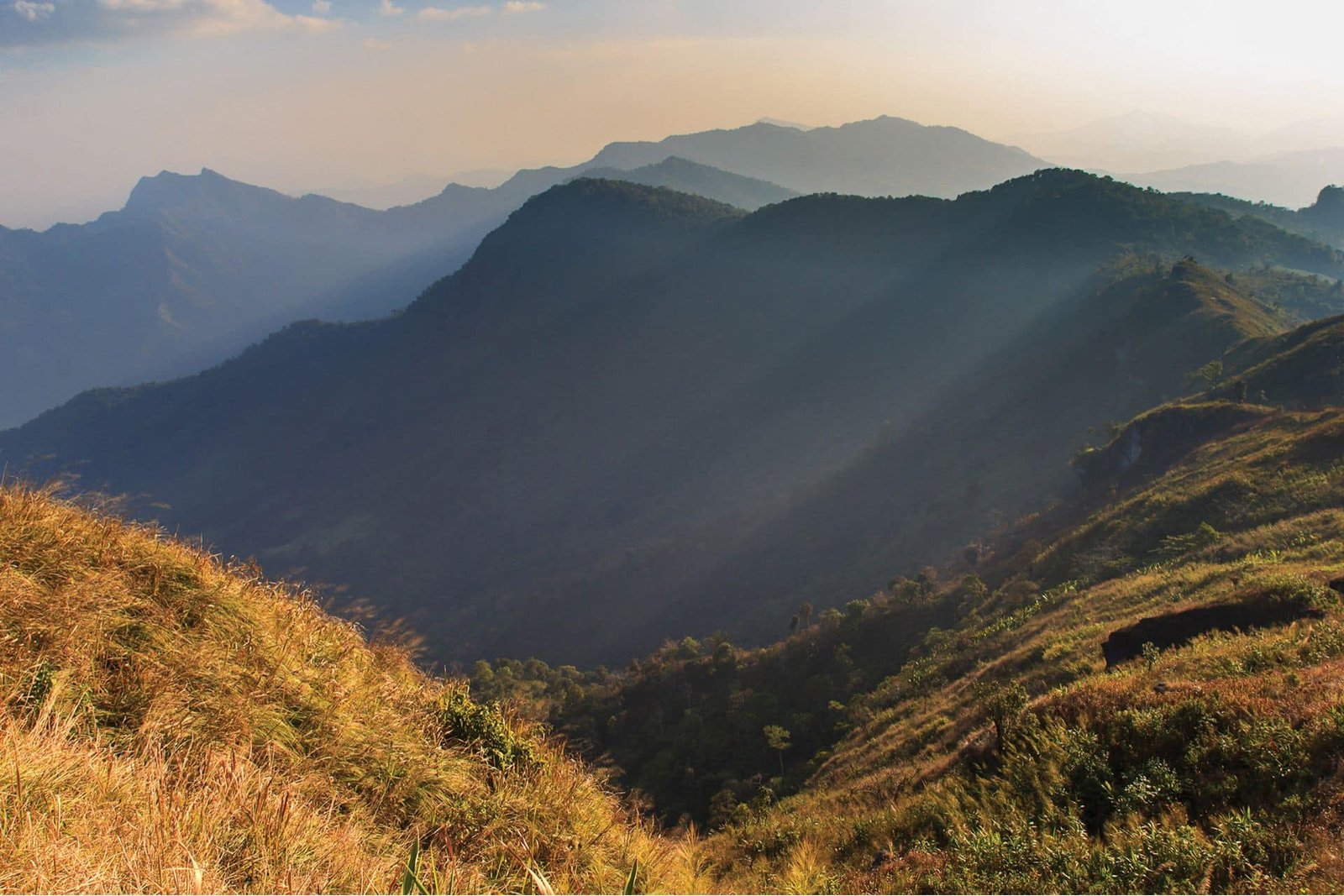
The camp sits in one of Southeast Asia’s most storied landscapes. The Golden Triangle — where Thailand, Laos and Myanmar converge — was once known for remote trade routes, mountain tribes and dense jungle that seemed almost impenetrable. Today the region remains wild in a way that much of Asia no longer is.
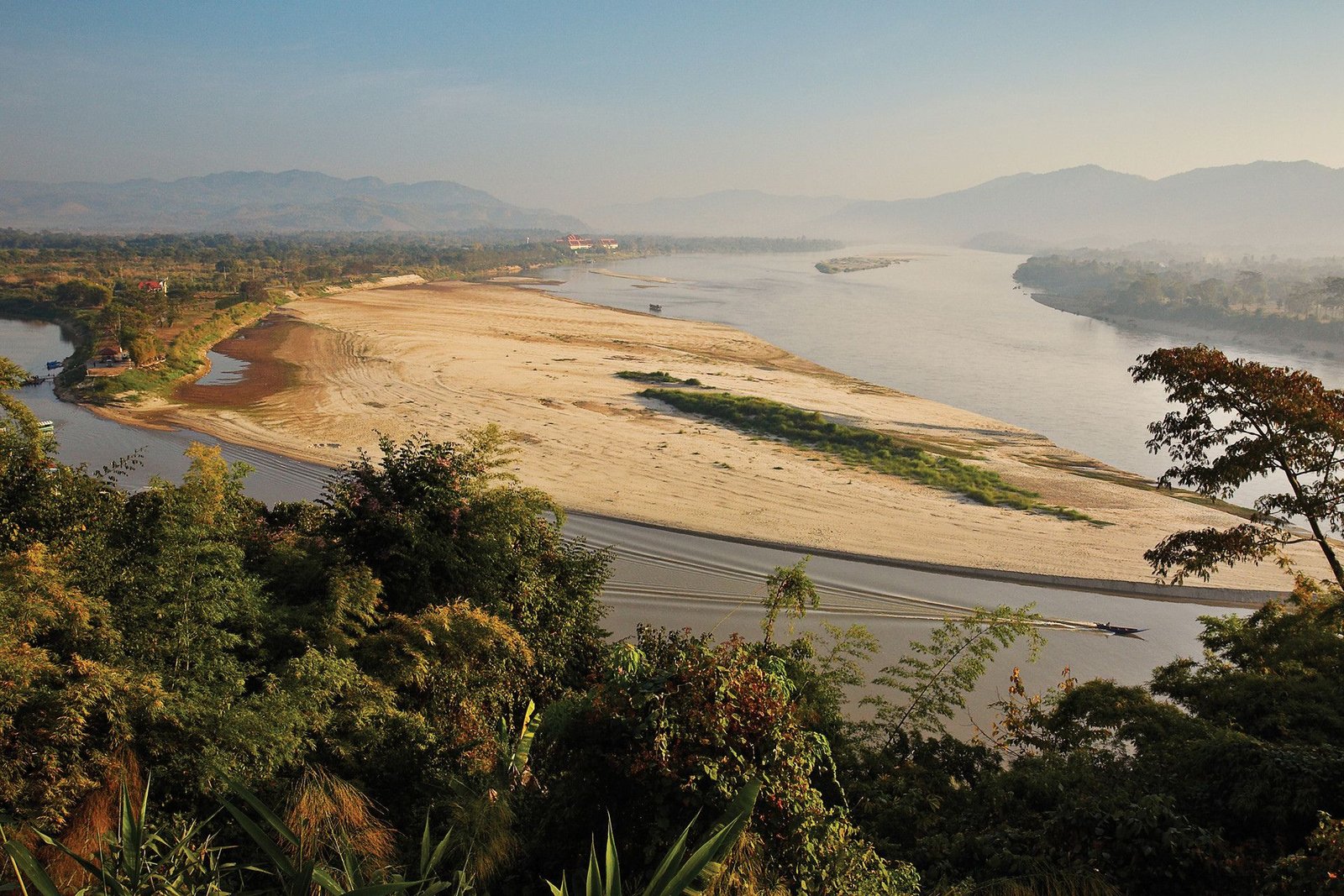
The camp itself rests high above the Ruak River on a forested hillside, surrounded by bamboo groves and mountain ridges that stretch toward the Mekong. Reaching it feels deliberately theatrical. Guests arrive by long-tail boat, gliding along the river before stepping into a landscape that feels suspended somewhere between adventure and retreat.
From there, the path climbs gently through the jungle. Soon the tents begin to appear. Canvas roofs rise above the trees. Wooden decks extend into the forest. The atmosphere suggests something from an earlier age of exploration — the romantic imagination of expedition travel, translated into modern comfort.

Four Seasons Tented Camp Golden Triangle opened in 2006 and remains one of the most distinctive properties in the brand’s global portfolio. Part of its charm lies in its scale. There are just fifteen tents scattered along a jungle trail, along with a single Explorer’s Lodge designed for families or small groups. Each tent sits far enough from its neighbour that the forest quickly swallows any sign of the others. Privacy is not staged here. It happens naturally.

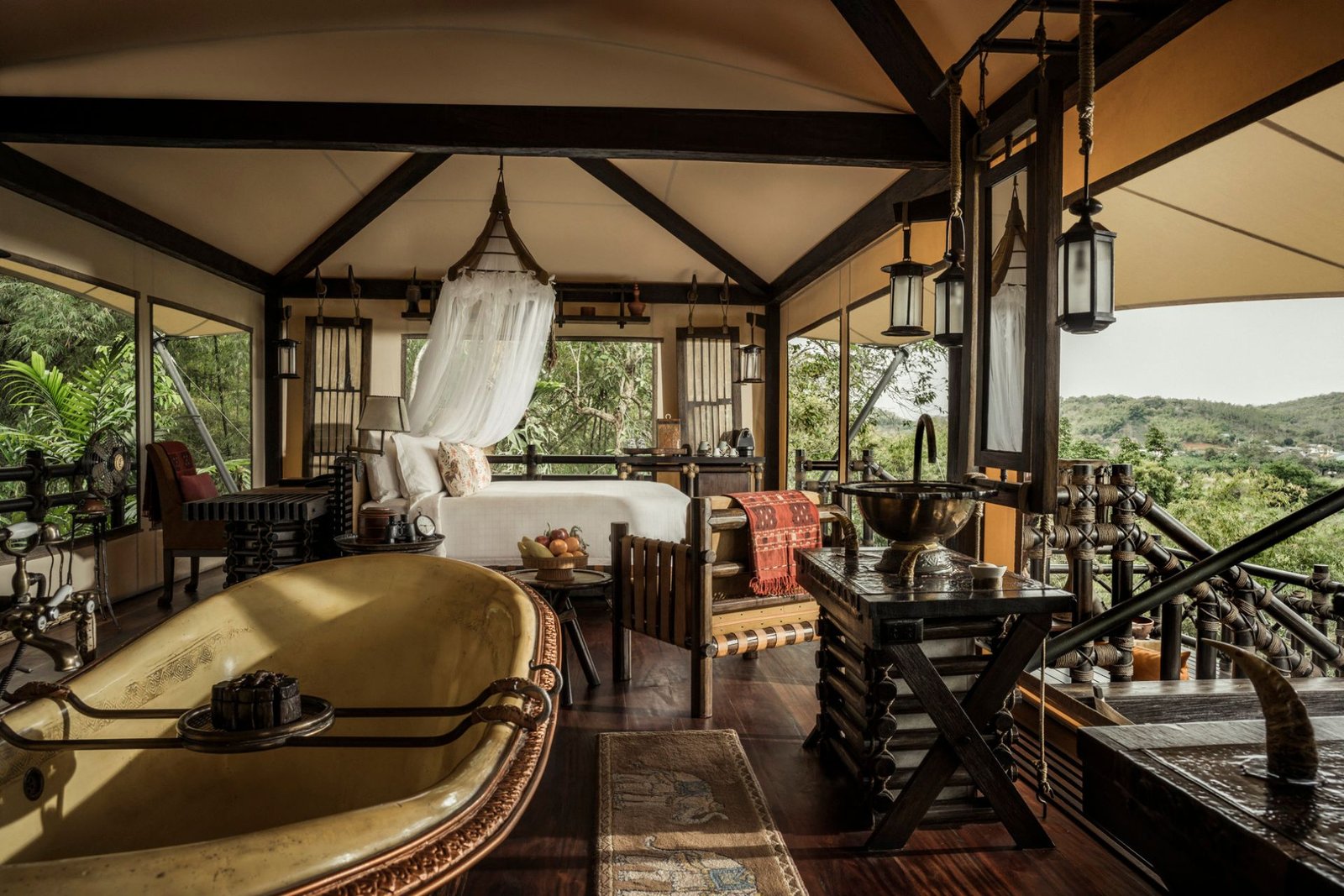
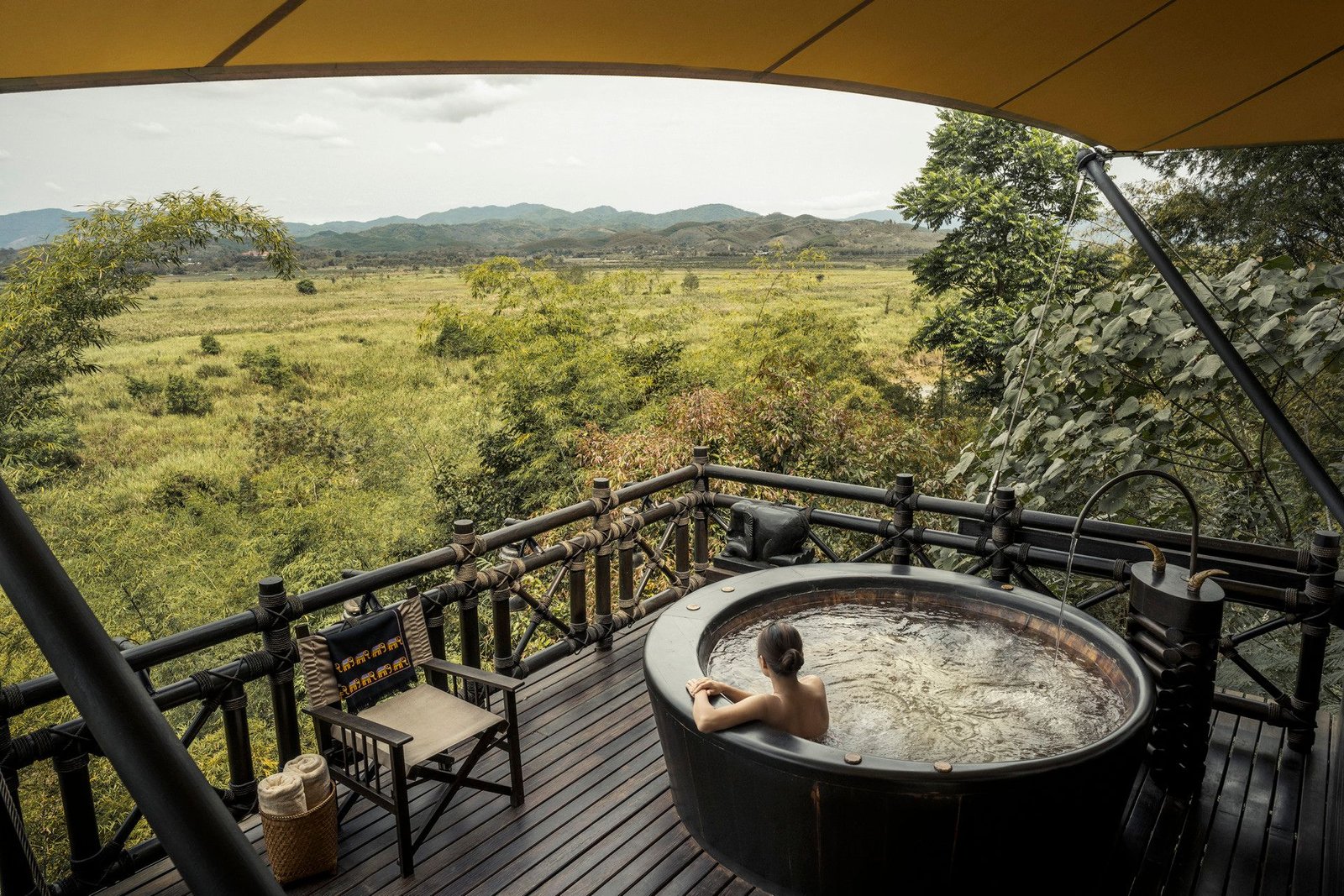
The tents themselves draw inspiration from 19th-century expedition camps: hardwood floors, antique-style furniture, leather trunks and hurricane lamps that cast warm light across canvas walls. In the centre of the room stands an unexpected feature — a hand-hammered copper bathtub large enough for two. Outside, a wooden deck extends into the jungle. From here, the view belongs entirely to the forest.
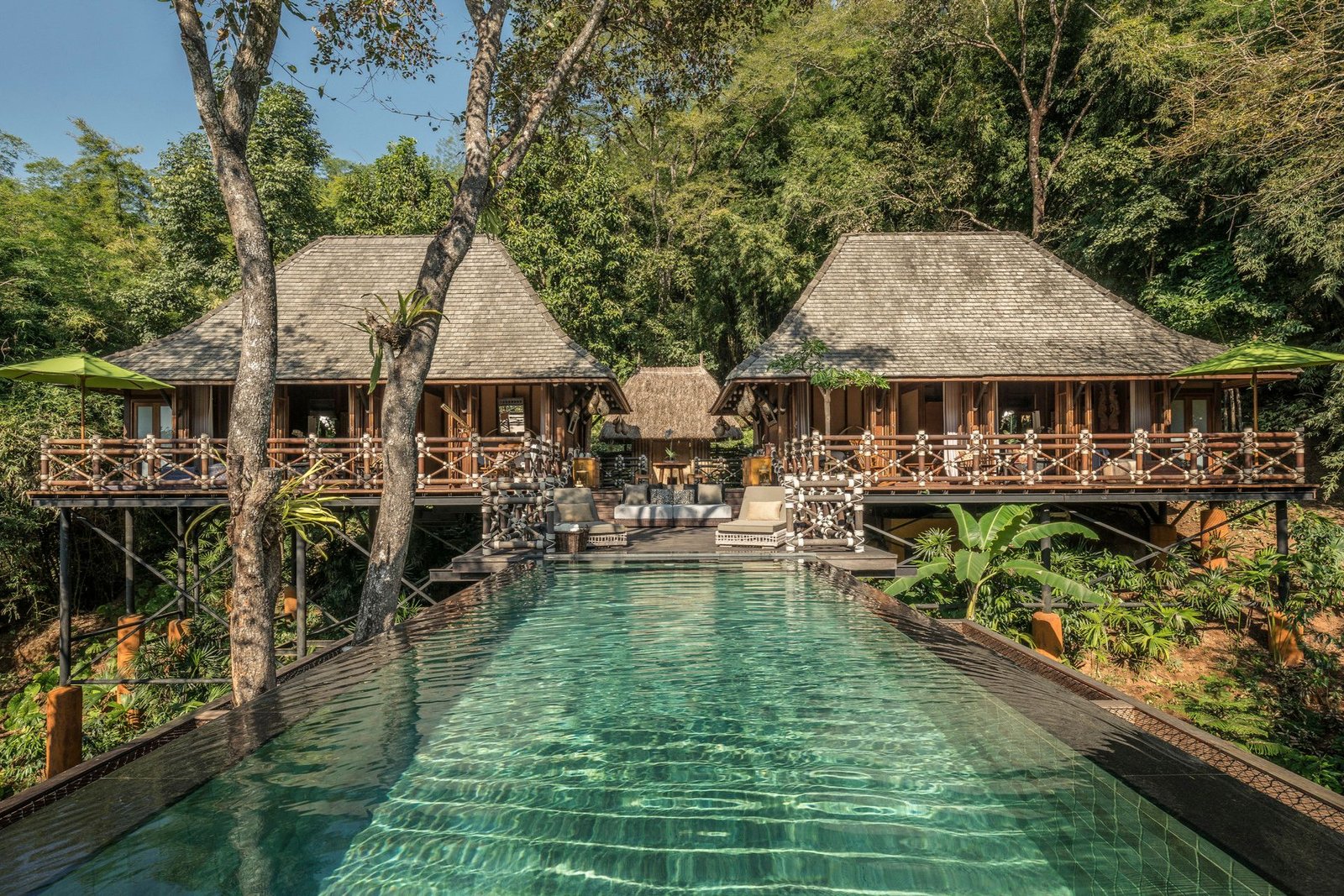

Architecture in this landscape requires restraint. The camp was conceived by the acclaimed designer Bill Bensley, whose work often blends theatrical storytelling with deep environmental sensitivity. At the Golden Triangle, the design philosophy is simple: allow the jungle to remain the dominant presence.
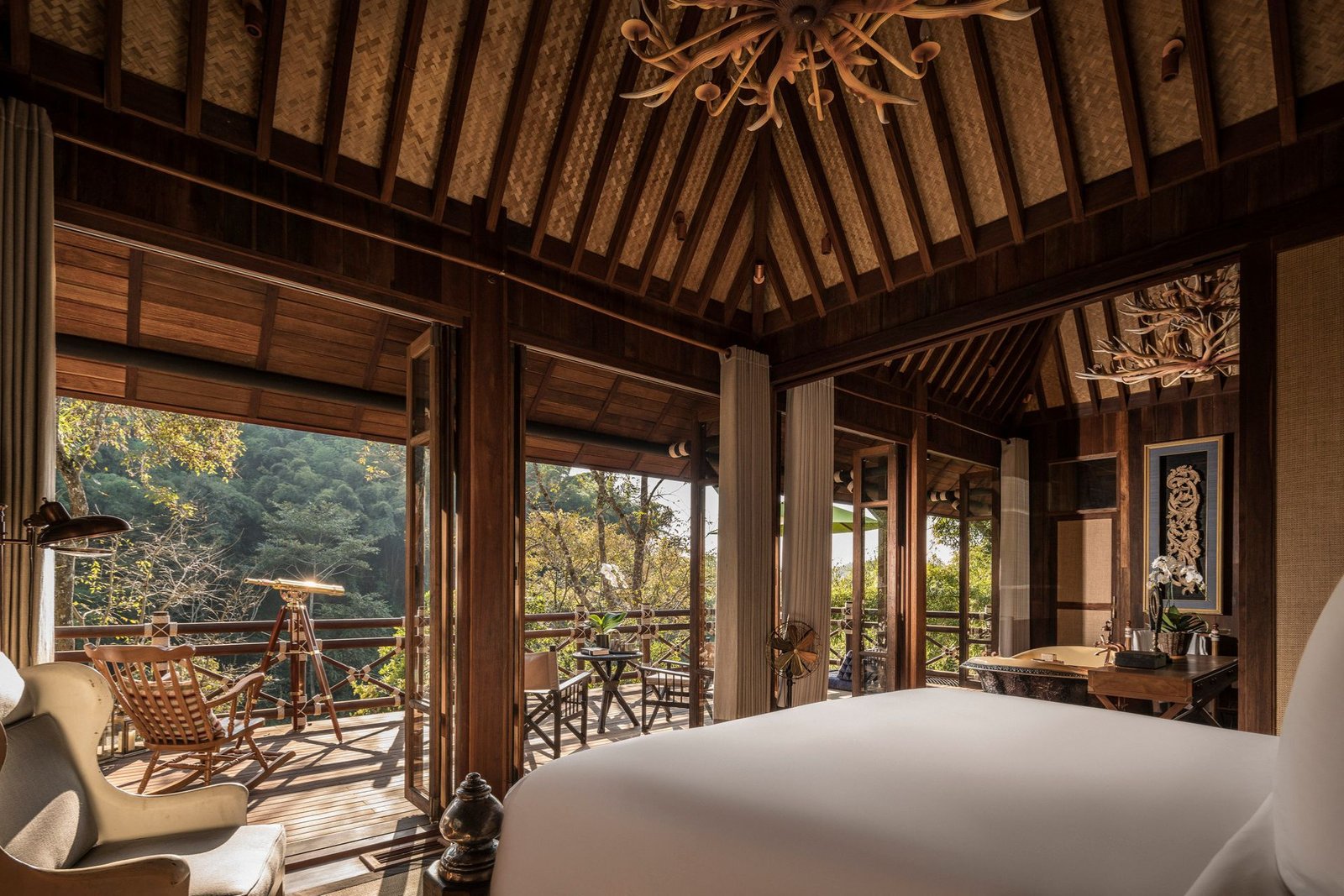
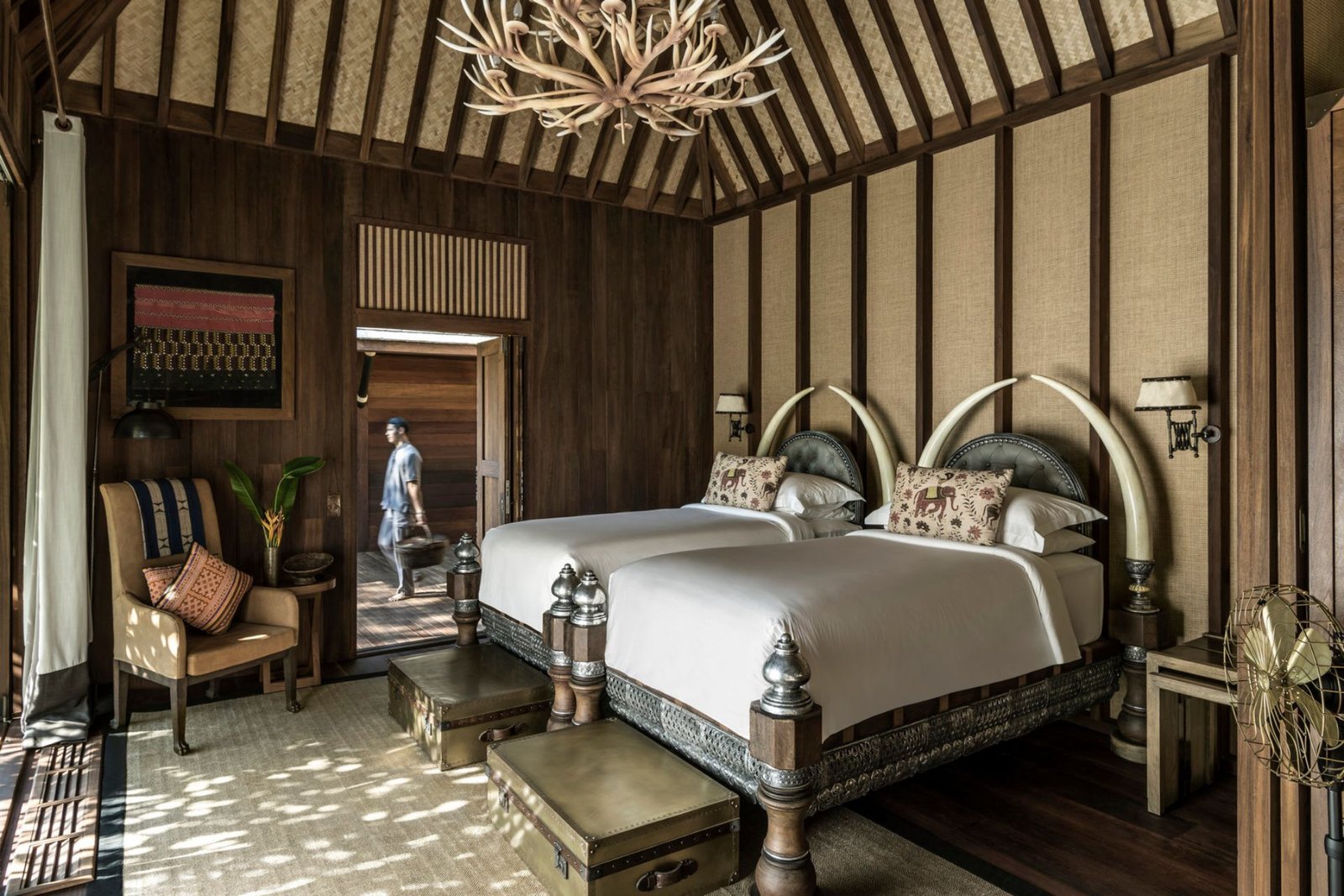
Buildings sit lightly on the land. Materials draw from local traditions — bamboo, teak and rattan — all elements long used across Southeast Asia for construction and craft. Walkways weave through the forest rather than cutting across it. From certain vantage points, the camp seems almost hidden within the vegetation. This is intentional. Luxury here is not about architecture dominating nature, but about learning how to live within it.
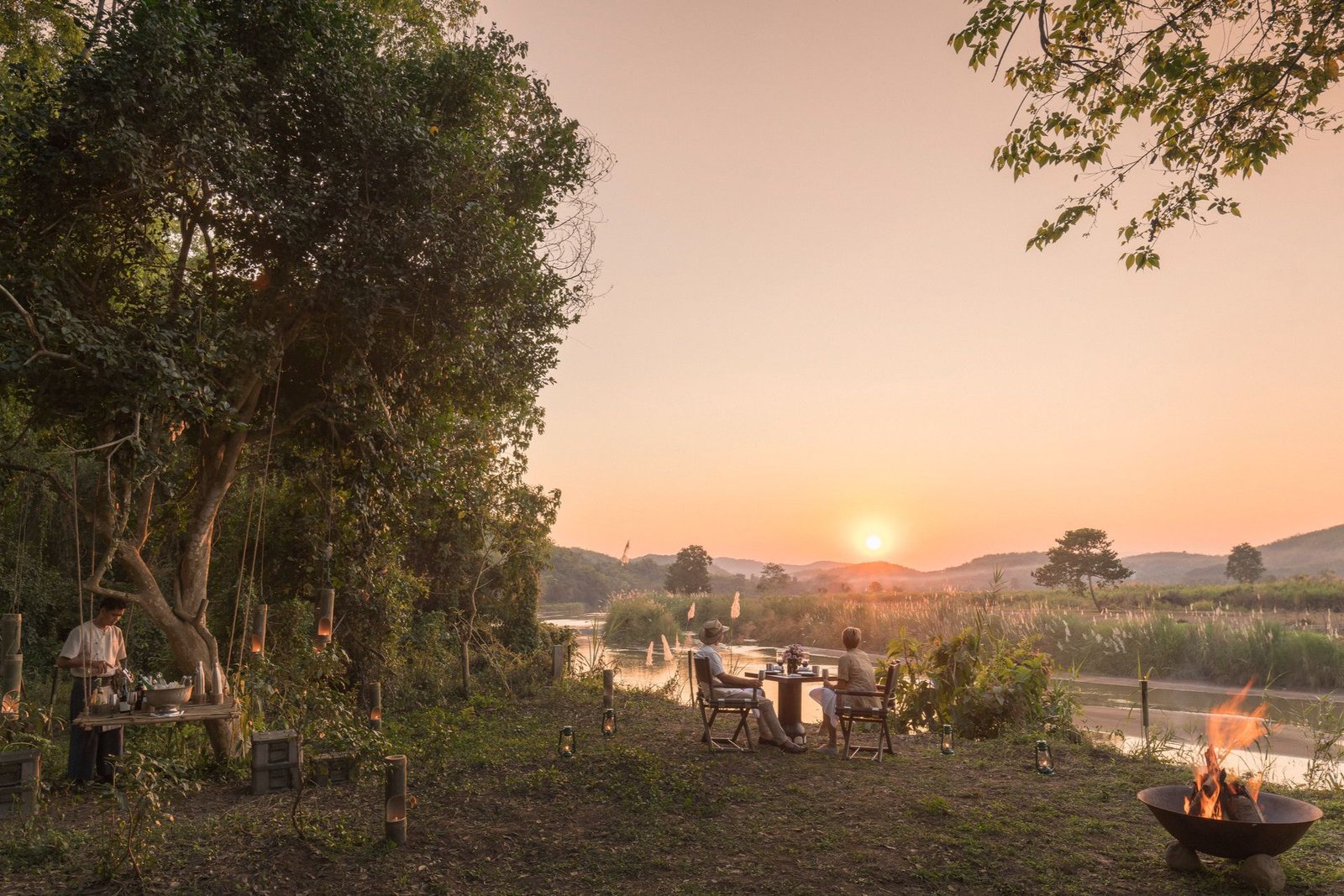
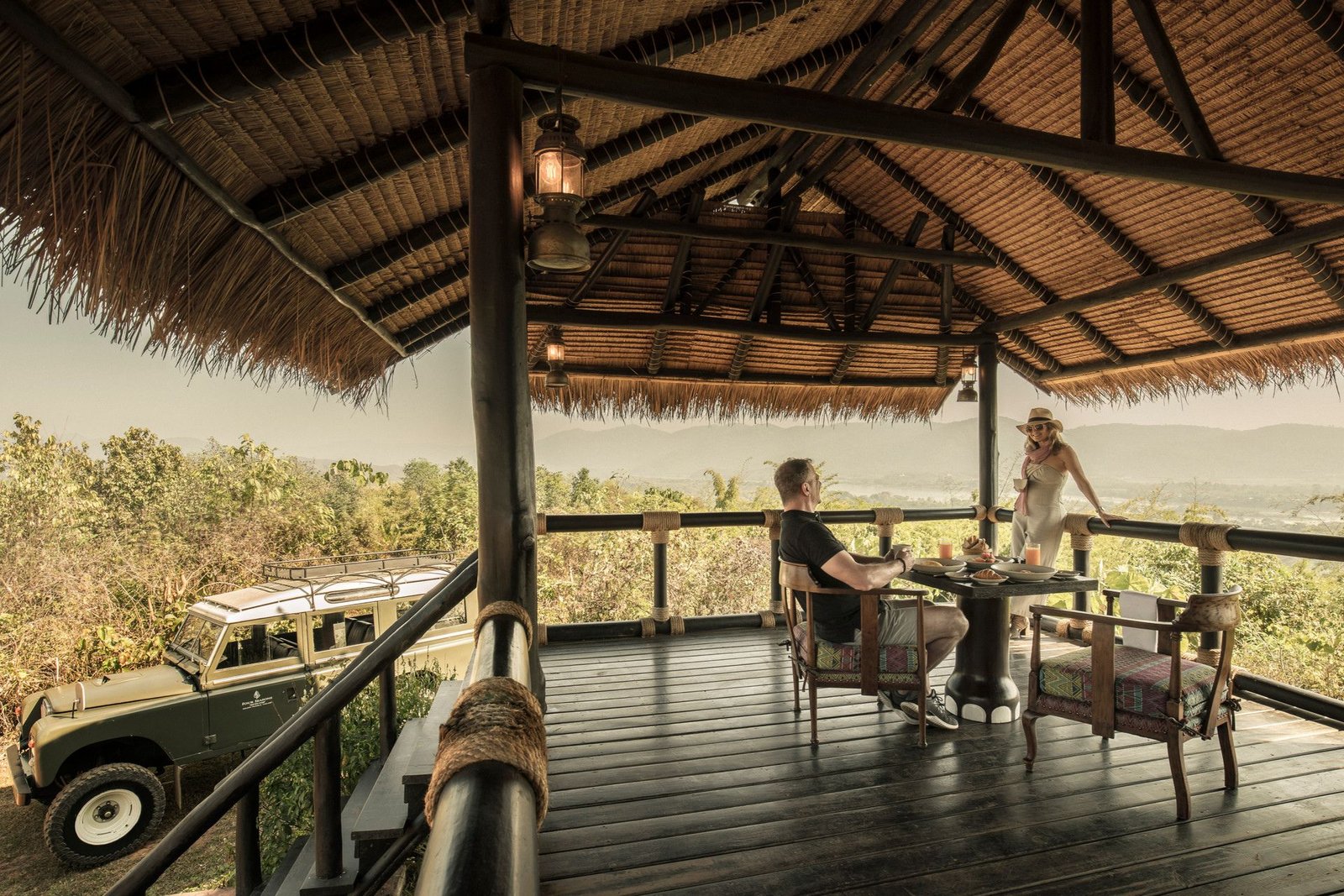
Days begin early. The jungle wakes before sunrise, and guests often follow its lead. Some mornings start with coffee on the deck as mist drifts through the bamboo groves below. Others begin with a short journey by vintage Land Rover to a secluded riverside clearing. Here, beneath tall teak trees, breakfast is prepared by a private chef while the jungle slowly comes to life. It is the kind of moment that feels cinematic. Yet at the camp, it is simply another morning.
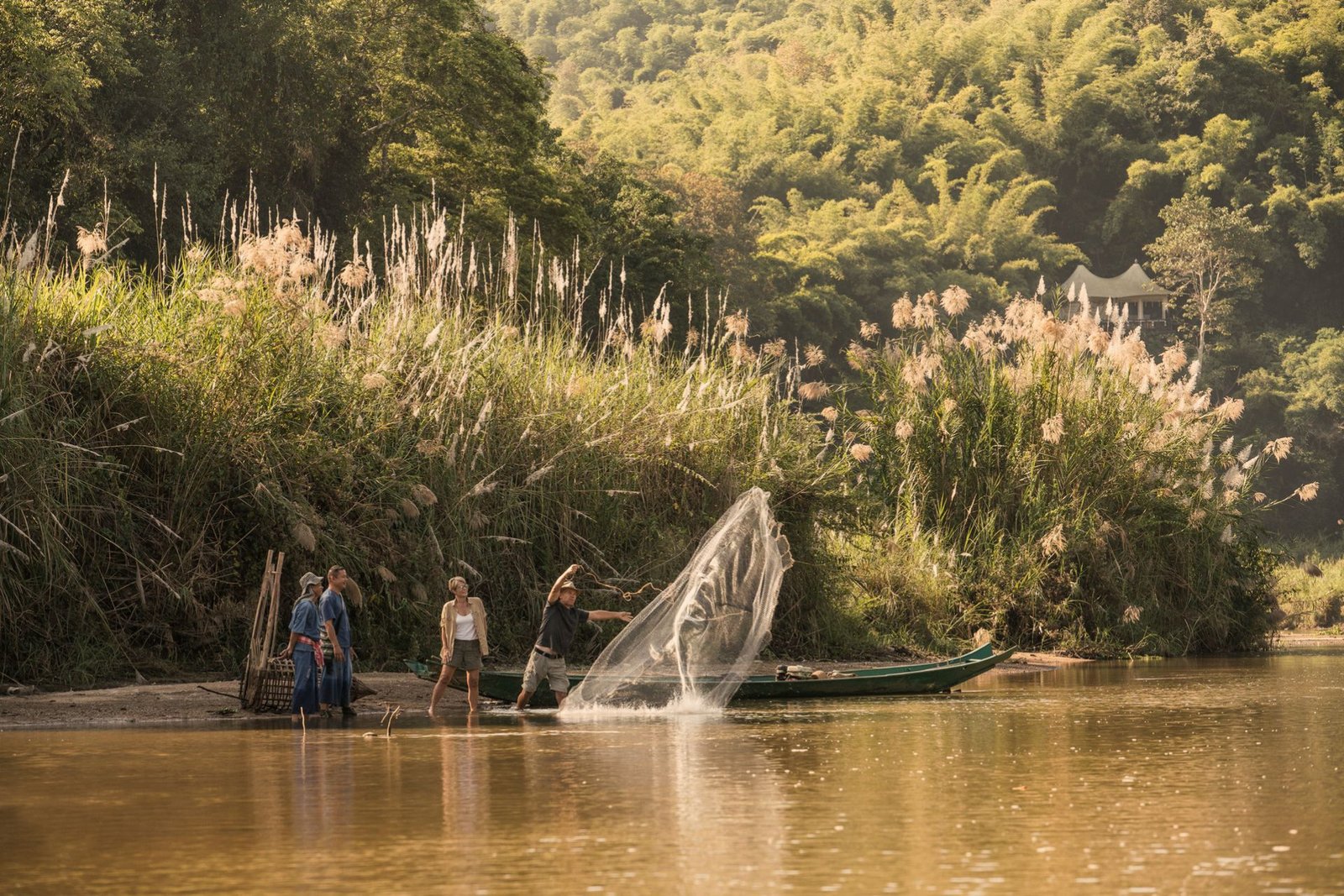
Exploration defines much of the experience here. The Golden Triangle’s terrain is rugged, carved by rivers and forested ridges that rise and fall across the borderlands. Guests venture into this landscape through guided hikes, cycling routes and safari-style journeys in restored Land Rovers.
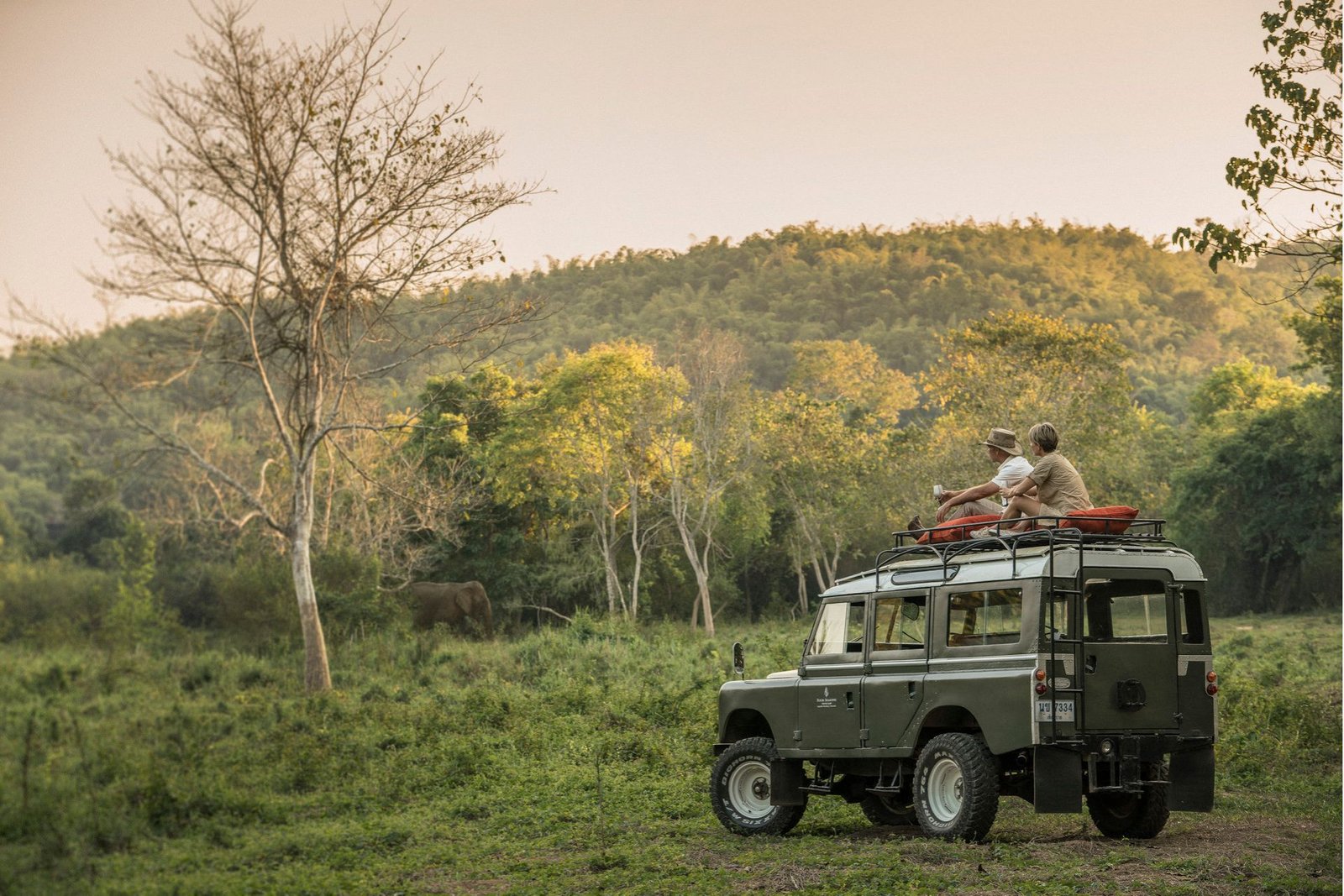
The vehicles themselves feel like relics of a previous era — sturdy machines that seem perfectly suited to the terrain. They climb slowly along jungle tracks, passing through hill-tribe villages and overlooking valleys that stretch toward neighbouring countries. From certain viewpoints, three nations are visible at once. Thailand below. Myanmar across the river. Laos beyond the hills. Few places in the world offer such a perspective.
Despite its adventurous setting, the camp encourages a slower relationship with the landscape. Many guests discover this through a practice known as forest bathing — the Japanese concept of immersing oneself in the atmosphere of the forest. It requires no equipment. Only time.
Walk slowly through the bamboo groves. Listen to the insects. Watch how light shifts across the leaves. In these moments, the jungle becomes less of a backdrop and more of a living presence. The experience is both calming and quietly profound.
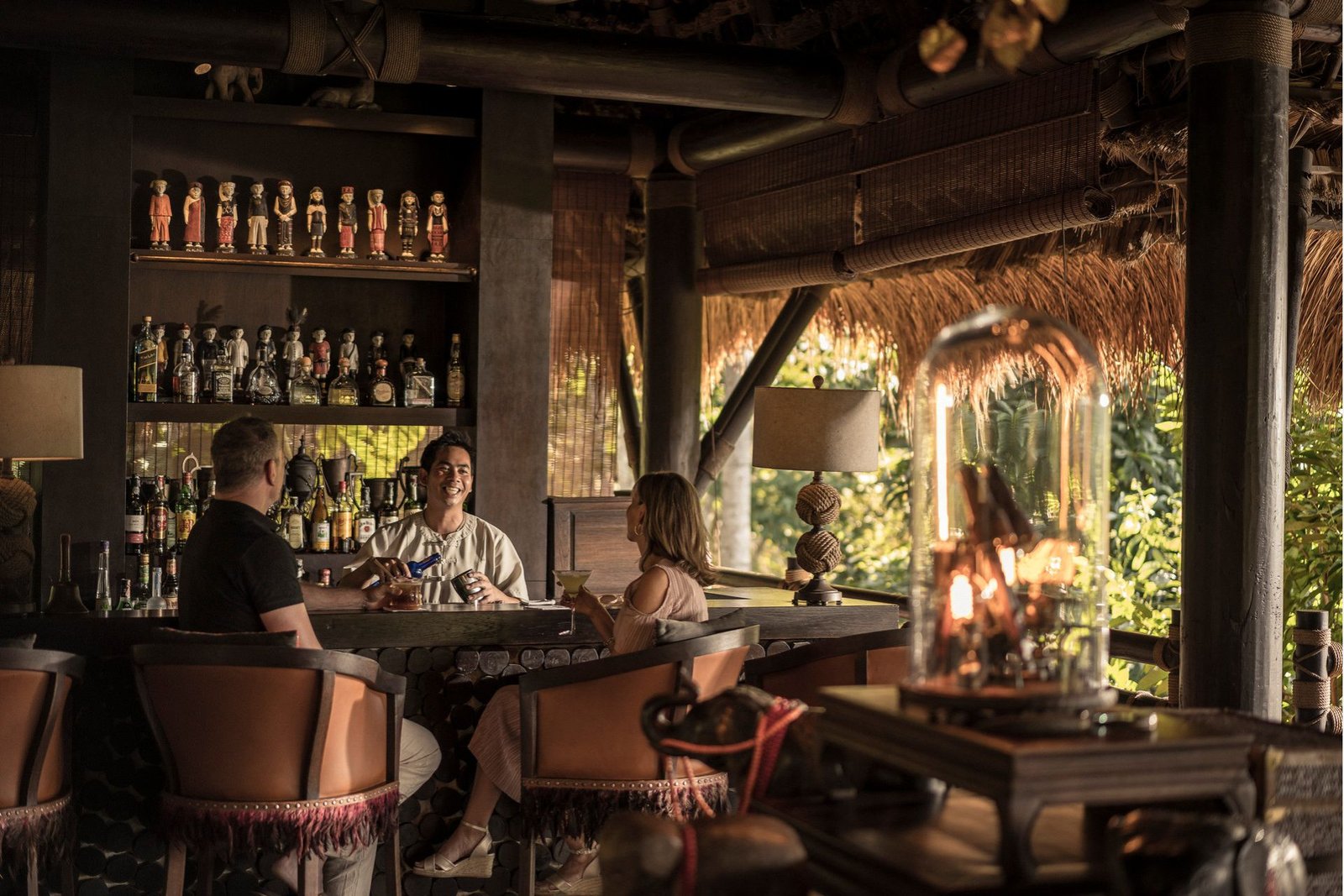
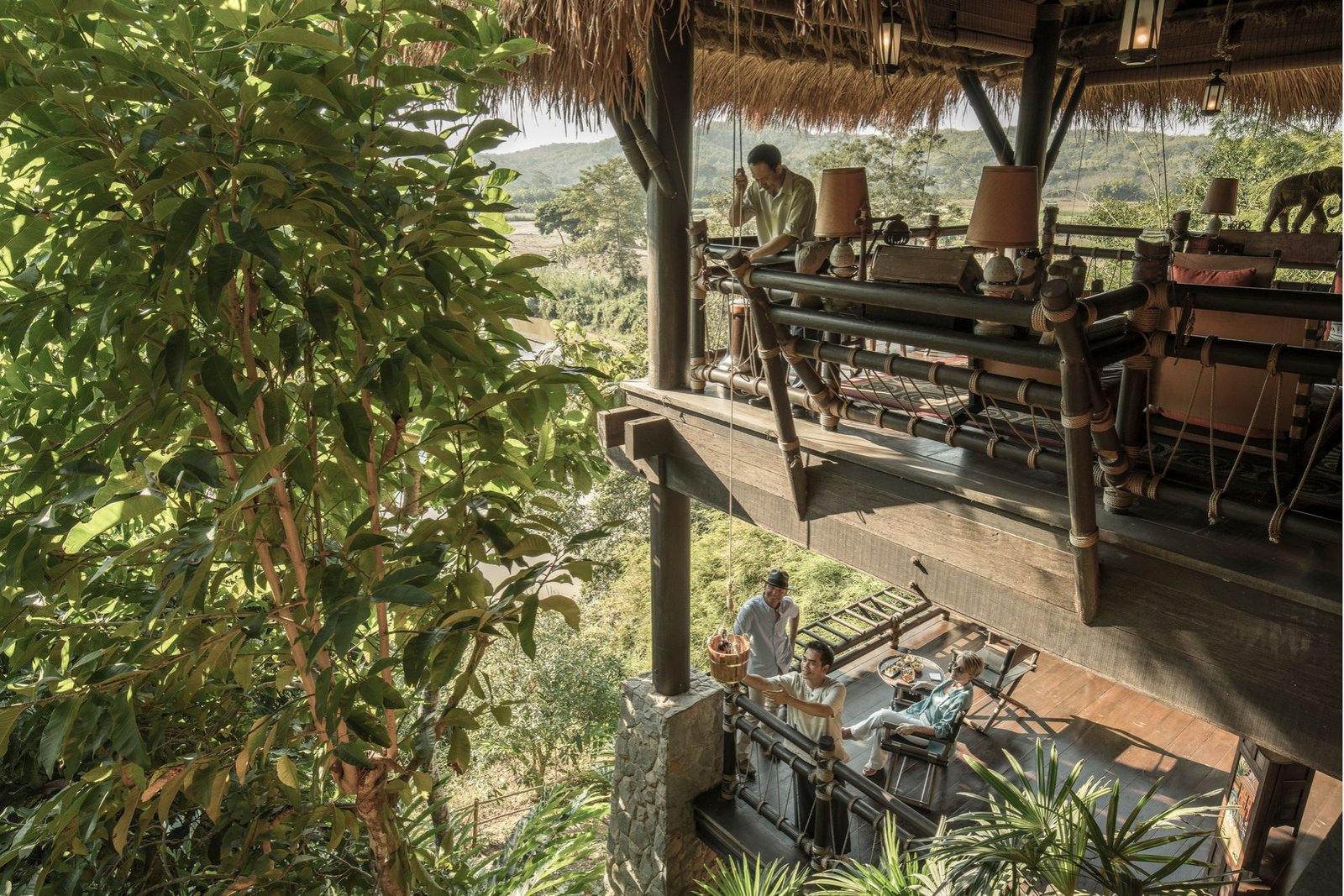
As the light begins to fade, guests often pause at Burma Bar. Perched above the Ruak River and facing the hills of Myanmar, the open-air lounge offers a quiet vantage point over the jungle canopy. Leather armchairs, travel books and old maps lend the space the feel of an explorer’s retreat. A cocktail arrives. The sky shifts colour. Conversation slows.

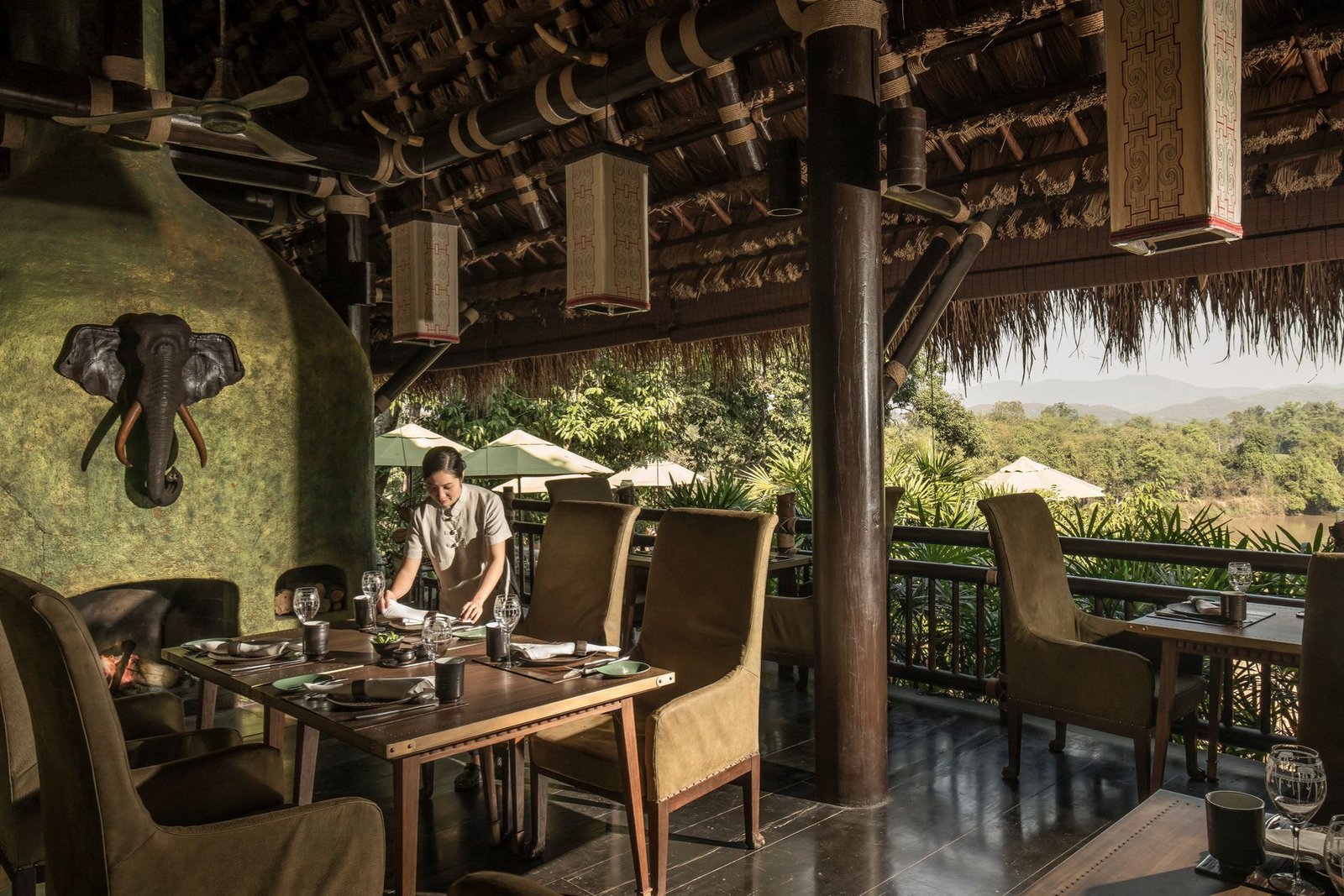
As evening approaches, the camp takes on a different character. The main restaurant sits beneath a thatched roof pavilion with views across the surrounding forest. Tables are laid simply — white linen, porcelain dishes, silver cutlery — but the atmosphere remains relaxed rather than formal.
Menus draw inspiration from across the region: Thai, Burmese and Laotian flavours appear alongside international dishes. Dinner unfolds slowly. Candles flicker in the warm air. The jungle hums softly beyond the pavilion. Occasionally, the distant sound of the river rises through the trees.
Later in the evening, guests often gather around a fire. The flames cast long shadows across the lounge as drinks are poured and stories begin to circulate. Some stories explore the history of the Golden Triangle — a region once defined by trade routes and shifting borders. Others simply recount the day’s adventures. It is a ritual that feels timeless. Fire, conversation and the slow quiet of the jungle night.
For those seeking stillness, the camp’s open-air spa offers another way to experience the environment. Treatment pavilions sit tucked within bamboo groves, where the scent of mountain botanicals drifts through the air.

Therapies draw from traditional Thai wellness practices — herbal compresses, oil massages and rituals designed to restore balance between body and landscape. Here, the sounds of the jungle replace music. Wind through bamboo. Water moving quietly below. Nature becomes the therapist.
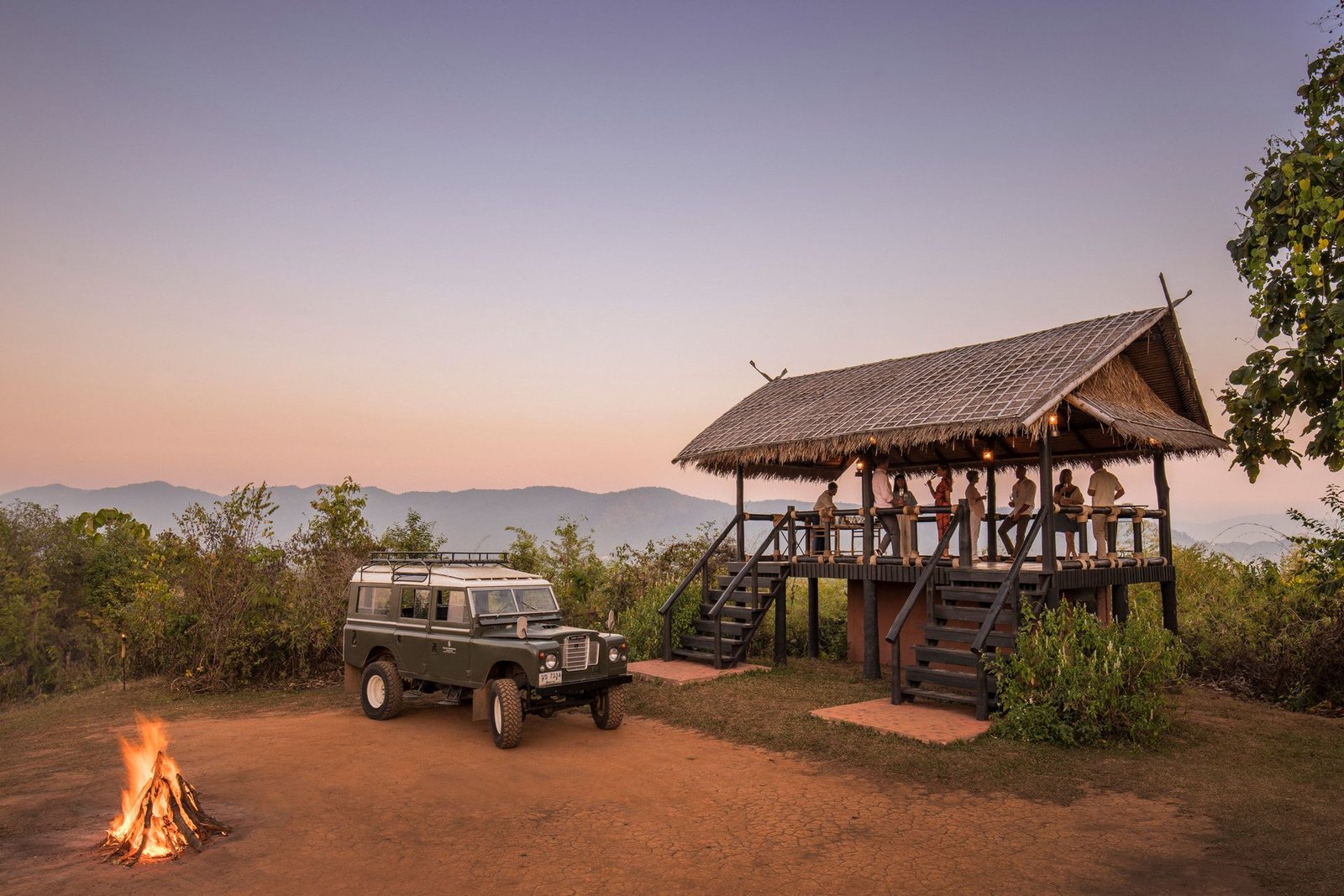
As the day begins to cool, many guests climb toward the camp’s highest ridge. Camp Peak sits above the forest canopy, offering an uninterrupted panorama across the borderlands. From this vantage point, the geography of the Golden Triangle becomes clear.
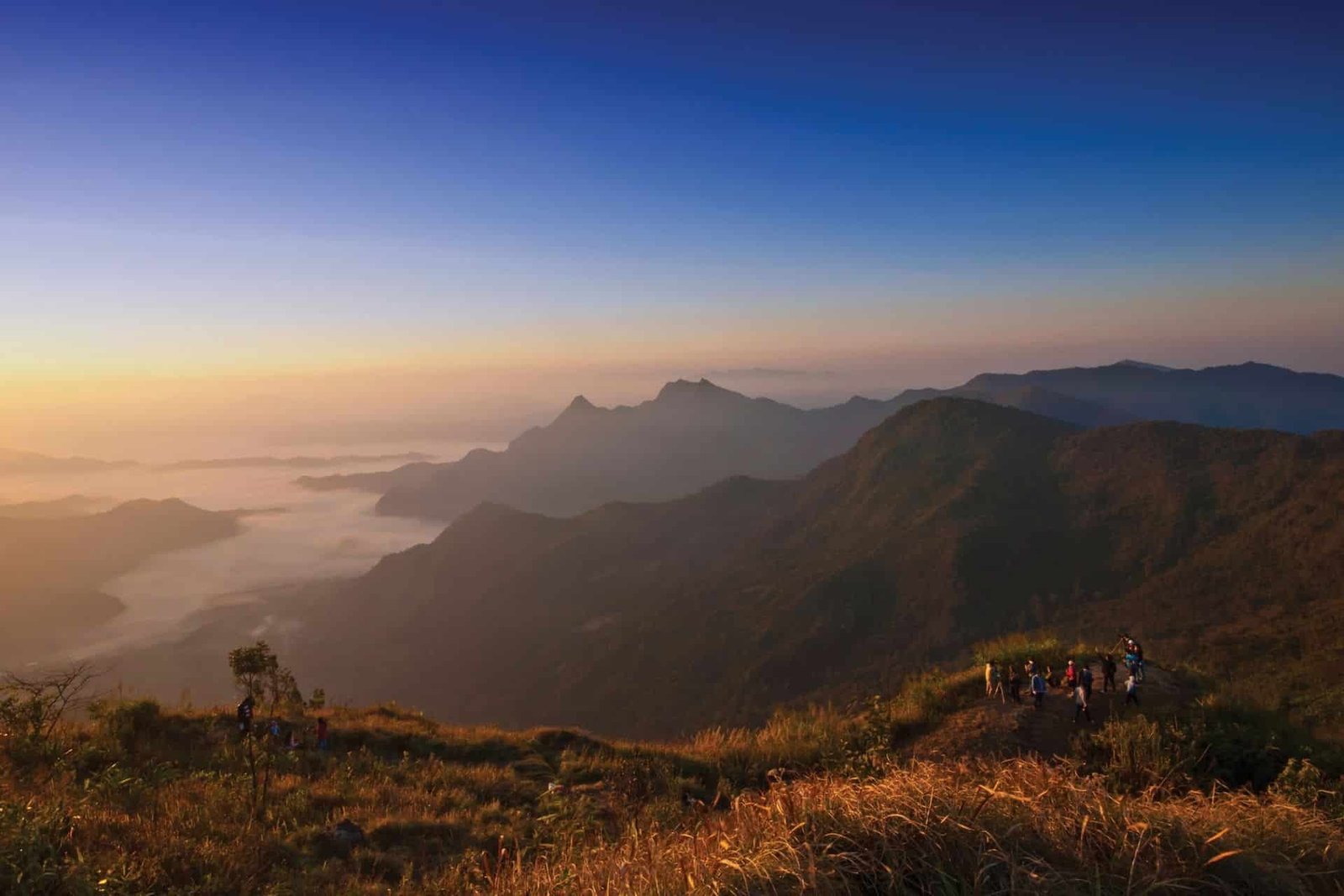
Three countries converge. Three cultures meet. Three rivers wind through the valleys below. As the sun sets, the landscape shifts through shades of gold and violet before dissolving into darkness. Champagne glasses catch the final light. And for a moment, the world feels remarkably still.
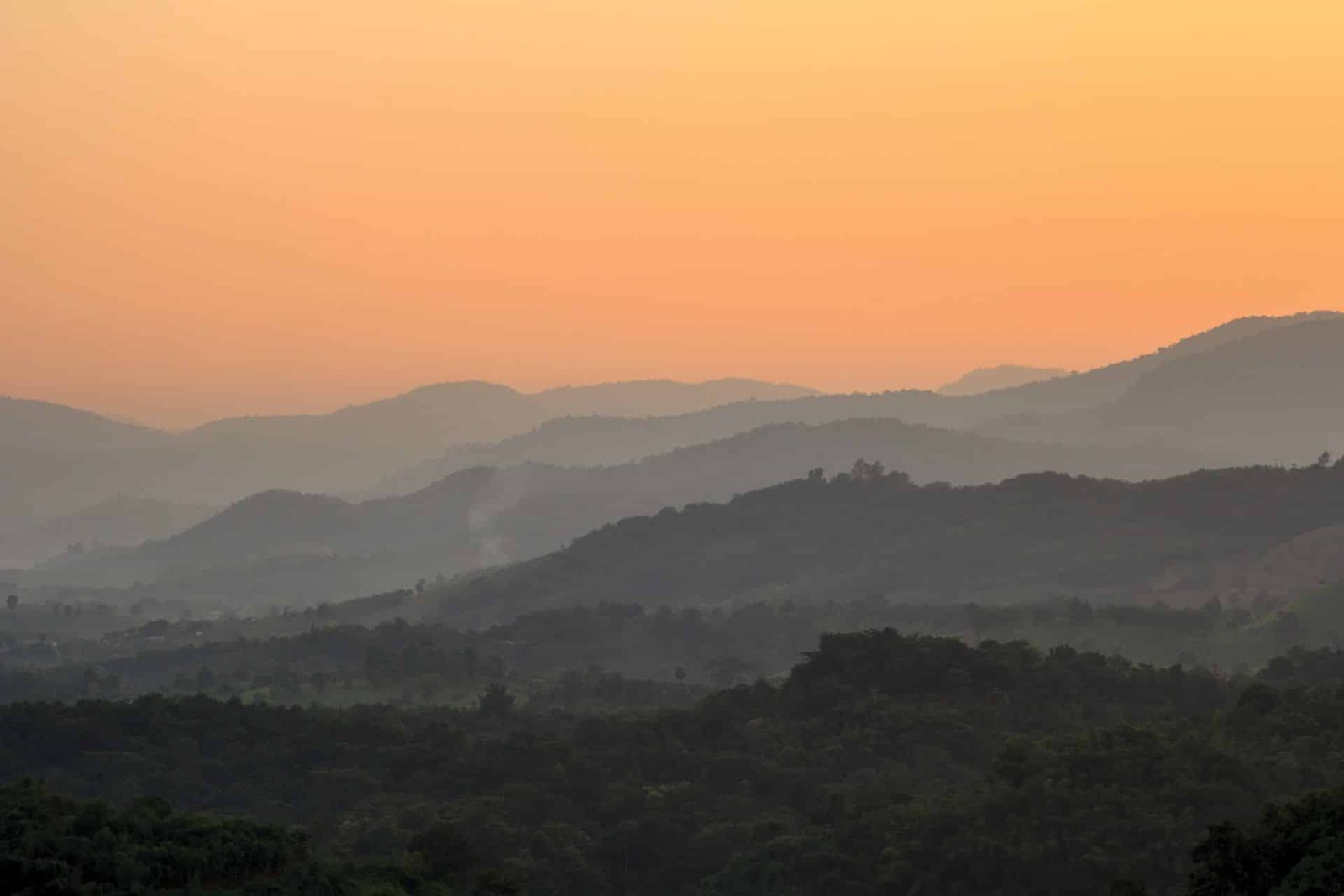
Luxury resorts often compete through scale. More rooms. More restaurants. More spectacle. Four Seasons Tented Camp Golden Triangle takes the opposite approach. It is intentionally small. Intentionally remote. And intentionally quiet. Its luxury lies in immersion — the chance to experience a landscape that remains largely untouched by modern development. Here, the jungle dictates the pace. Guests follow.
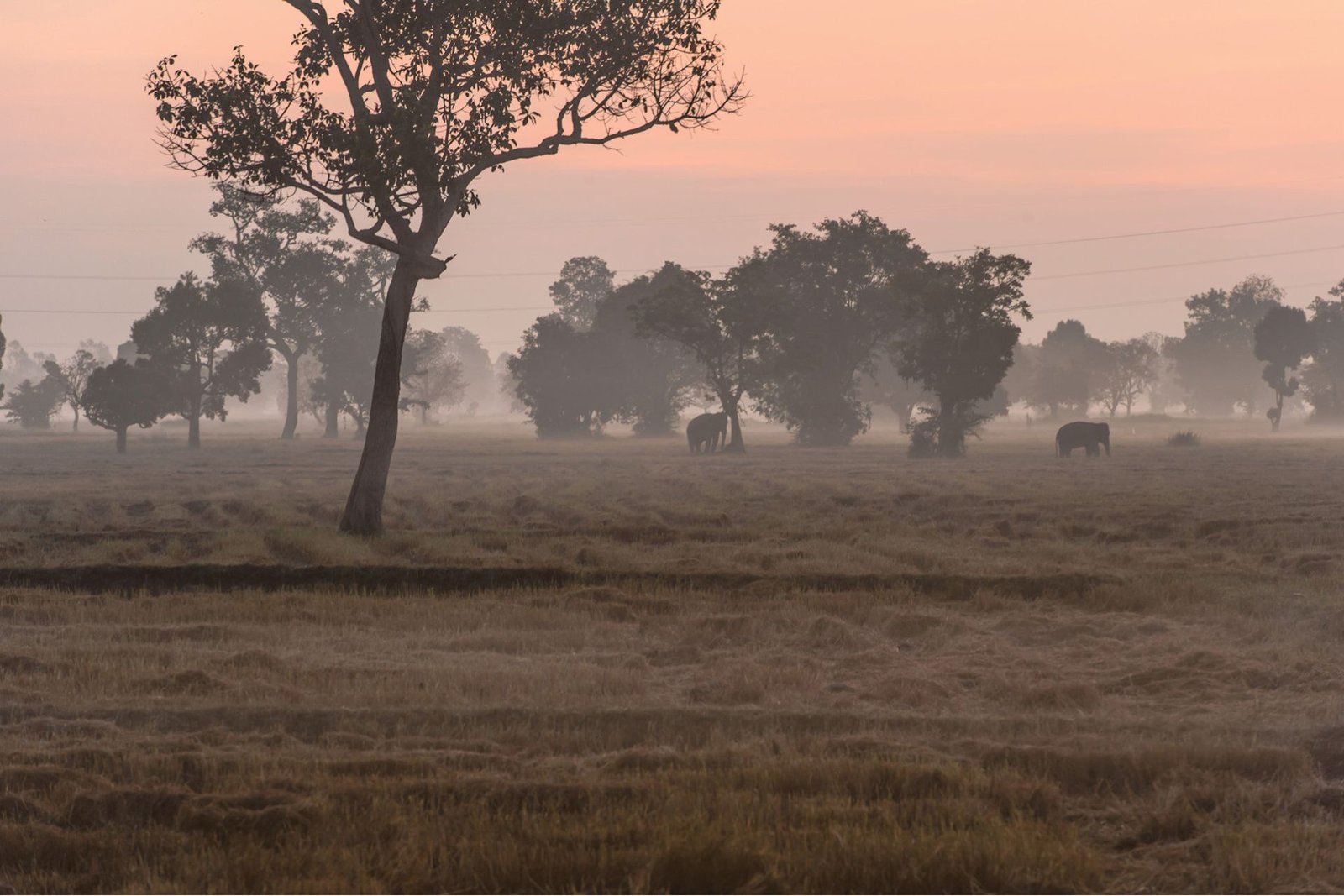
Eventually the time comes to leave. Guests descend once more toward the river, stepping into the long-tail boat that will carry them away. The jungle slowly recedes. The Ruak River widens. Ahead, the outside world begins to reappear. Yet something of the camp lingers. Perhaps it is the rhythm of the forest. Or the memory of mist lifting above the river at dawn. Either way, the Golden Triangle has a way of staying with you. And long after the journey ends, its quiet stillness remains.